

Part Three: Rebuilding Ukraine Without Exploitation
Perhaps I am an optimist. Two years after fleeing Ukraine with my children following the full-scale invasion in 2022, I decided to return and bring them home.
One of the main reasons was my belief that Ukraine will not only survive this war, but emerge from it stronger and more prosperous. Many highly skilled Ukrainians left the country after the invasion. I decided to move in the opposite direction: to come back and contribute to rebuilding the country where I want my children to have a future.
Plans for Ukraine’s large-scale reconstruction are taking shape even as the war continues. This could become one of Europe’s largest recovery efforts in generations, involving enormous international resources, thousands of contractors and subcontractors, and major demand for workers. But is the system itself ready for it? Routine business inspections by Ukraine’s State Labor Service were suspended under Cabinet of Ministers Resolution No. 303 during martial law. Labor oversight now relies largely on legally permitted unscheduled inspections, including those triggered by complaints from workers or trade unions and other grounds established by law. In other words, the system has become much more reactive than preventive: a violation must happen first before someone reports.
At the same time, unscrupulous businesses may view violations of labor standards primarily as a financial risk—one that can be managed with a fine—rather than as a reputational threat that could jeopardize long-term access to contracts. Addressing this requires joint work by Ukraine and the countries, donors, and businesses involved in its recovery. Stronger supply-chain oversight, due diligence, and public procurement safeguards would also benefit EU partners, starting with a clearer understanding of how these systems can prevent trafficking.
Corruption is one of the risks these safeguards should address. Over the past year, a wave of high-profile corruption investigations has shaken Ukrainian society. Among the latest is a NABU and SAPO investigation into a senior official in the Prosecutor General’s Office who allegedly organized protection for fraudulent call centers. To me, the public outrage sends a clear message: Ukrainians are increasingly unwilling to tolerate corruption in government—especially while the country is fighting for its survival.
The United Nations Office on Drugs and Crime study, Corruption and Human Trafficking, shows how corruption can enable exploitation at every stage, from recruitment to avoiding accountability. Its global analysis highlights agriculture, manufacturing, and construction among sectors vulnerable to forced labor facilitated by corruption. Where corruption and trafficking risks overlap, they threaten both workers and the integrity of Ukraine’s recovery. Construction offers one example: multiple layers of subcontracting can conceal forced labor. It is not enough to know which company won a major tender. We need to know who actually recruited the worker at the end of the subcontracting chain and under what conditions that person is working.
Fragmented data creates another blind spot. A recent World Economic Forum report shows that labor inspection findings, supplier audits, recruitment records, worker complaints, and NGO data often sit in separate systems. Each actor sees only one part of the supply chain. As a result, warning signs of exploitation can be visible in fragments, yet invisible to the system as a whole.
Additionally, Ukraine may simply not have enough workers for reconstruction. War, mobilization, migration, and demographic change are already shrinking the available workforce—particularly the male workforce that many reconstruction sectors traditionally rely on. If Ukraine increasingly recruits workers from third countries, recruitment agencies and other intermediaries will play a greater role. With that will come greater risks of fraudulent recruitment, debt bondage, and labor exploitation.
That is why anti-trafficking safeguards are not an optional addition to reconstruction. They are a condition of its integrity. A company found to have exploitation in its supply chain should risk more than a fine: it should risk its contract and access to future funding. Anti-trafficking clauses should be embedded in public procurement and donor contracts. Due diligence should reach the last subcontractor. Ethical recruitment requirements should cover agencies and other intermediaries. Safe, secure, and tailored grievance mechanisms should allow workers to report abuse in a language they understand and without risking their jobs or legal status. Labor inspections must once again be capable of identifying risks before a victim has to complain, while risk mapping should determine where oversight is needed most.
R.E.S.T.O.R.E. Ukraine Alliance is advancing this approach across sectors including construction, logistics, agriculture, hospitality, care, and services. The UNODC also recommends practical anti-corruption safeguards, including rotating inspectors, randomly assigning inspections, conducting joint inspections, and applying the “four eyes” principle so that critical decisions do not depend on a single official.
Preventing trafficking must be built into reconstruction itself. The system must monitor not only where the money went, but who did the work, who recruited them, and at what human cost the work was done. And the goal should go beyond preventing individual cases of exploitation. Ukraine and the countries supporting its recovery have an opportunity to build a culture of zero tolerance for labor rights violations and labor exploitation—from government agencies and international donors to prime contractors, subcontractors, and recruitment agencies. Protecting workers should become as fundamental to the integrity of reconstruction as financial transparency and anti-corruption controls.
Perhaps I really am an optimist. But optimism does not mean ignoring the risks. Ukraine can become not only the largest reconstruction project in modern Europe, but also an example of how to reconstruct a country without exploiting the people who are rebuilding it.
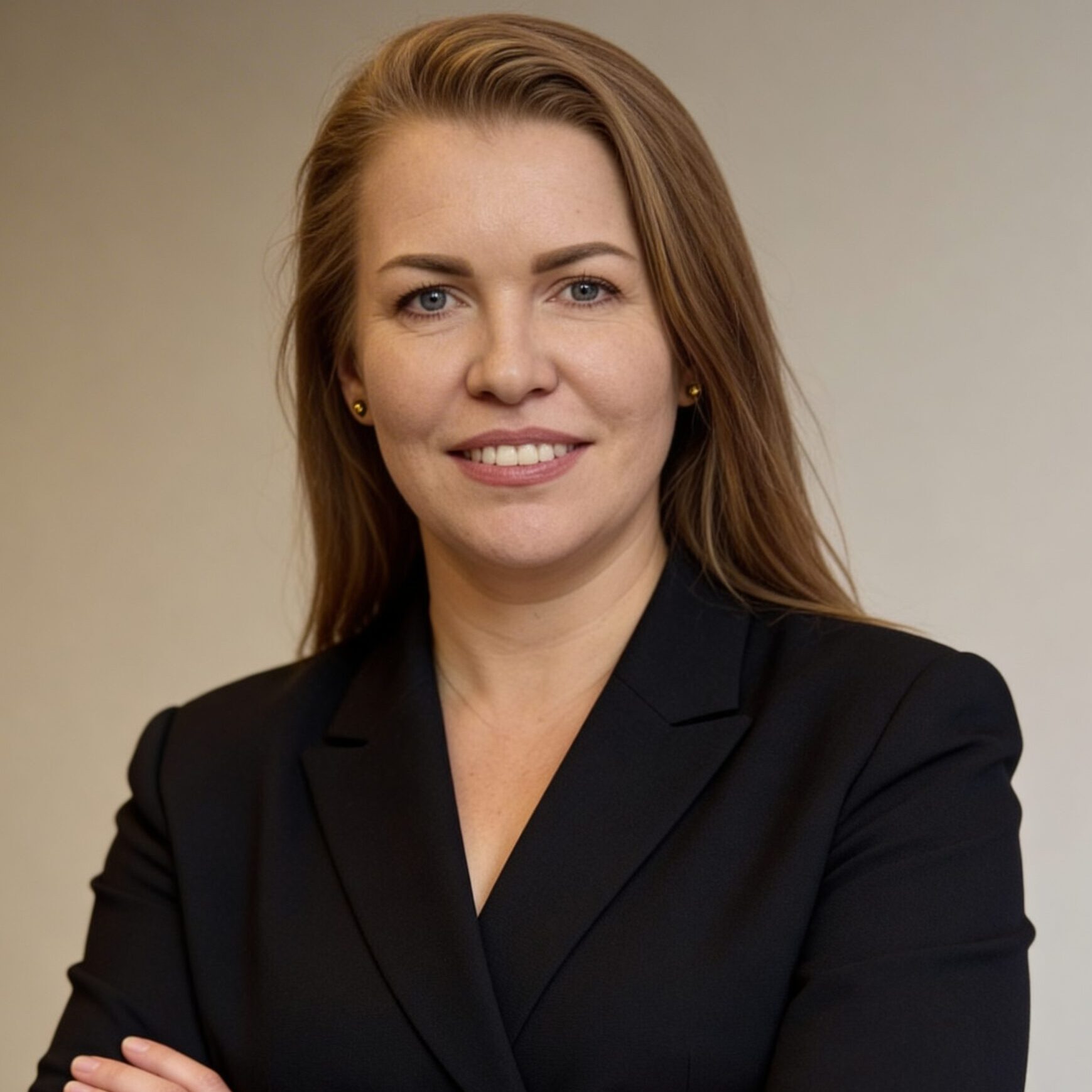
Julia Sachenko is a Ukrainian anti-trafficking and child protection expert with over 15 years of experience in combating trafficking in human beings, supporting survivors, and strengthening protection systems in humanitarian and conflict settings.
Read Full Bio